


B2B Email by the Numbers: 42 Statistics for 2026
42 B2B email marketing statistics on ROI, open rates, cold reply rates, deliverability, and AI for 2026. Benchmarks from Litmus, WarmySender, Validity, and HubS
Updated 10 min read


42 B2B email marketing statistics on ROI, open rates, cold reply rates, deliverability, and AI for 2026. Benchmarks from Litmus, WarmySender, Validity, and HubS
B2B email delivers $36–$42 for every $1 spent, making it the highest-ROI channel most marketing teams already own. But only 12% of those teams have integrated AI deeply enough to reach top-quartile returns, and the median cold reply rate has dropped 17% in two years.
The benchmarks below separate the MPP-inflated figures from the ones practitioners actually use to manage campaigns in 2026.
B2B email outperforms every paid channel on return. The distribution matters more than the average: the gap between median and top-quartile programs has widened as segmentation, automation, and AI integration separate teams that measure email seriously from those that batch-and-blast.
1. B2B email generates $36–$42 for every $1 spent, a figure confirmed across DMA 2023, HubSpot 2025, and Verified.email's 2025–2030 forecast.
2. The ROI distribution is more useful than the headline figure: 35% of teams achieve $10–$36 per dollar, 30% reach $36–$50, and only 5% exceed $50, according to Litmus State of Email 2025 (n=500+ professionals).
3. Top-quartile programs hit $70+ per $1 spent (Verified.email 2025–2030 forecast; Email Monday), and 21% of B2B teams still don't measure email ROI at all, down from 36% in 2023.
4. Segmented sends produce 760% more revenue than unsegmented ones (CXL analysis, multiple industry studies).
5. AI-driven personalization adds a 41% revenue uplift at the campaign level (Intent Amplify/Wix 2025), though the gain concentrates in the 12% of organizations that have moved beyond surface-level AI adoption.
Open rate is the most-cited B2B email metric and the most misunderstood. Two measurement standards produce dramatically different figures, and conflating them creates benchmarks that mislead your entire program evaluation.
6. The widely-cited B2B opted-in open rate of 36.7%–42.35% is MPP-inflated (Verified.email 2025). Apple Mail Privacy Protection pre-loads tracking pixels, and as of 2026 it accounts for 49–58% of tracked "opens" without any human engagement (Instantly/Litmus).
7. The true blended B2B open rate, filtered for MPP, is 21.3% for opted-in email (Optifai 2026, 939 companies), roughly half the reported figures most ESPs display in their dashboards.
8. B2B cold outreach carries a true open rate of 15–18% (Optifai, MPP-filtered), not the 35%+ figures that include pre-loaded opens from non-engaged Apple Mail inboxes.
9. Welcome emails achieve 65%+ open rate vs. 25% for the average B2B campaign (Verified.email 2025), making the first send in any sequence the highest-leverage email you'll send.
10. Personalized subject lines generate a 46% open rate vs. 35% for generic subject lines, a 31% lift across Belkins' 5.5 million email study (2024).
11. 69–70% of recipients will mark an email as spam based on the subject line alone, before the sender's message gets a chance to land (Autobound/ZeroBounce, 130 million B2B emails).
12. SMB-targeted cold email achieves a 51.2% open rate vs. 29.4% for large enterprise targets, a 22-point gap driven by stricter enterprise spam filters and security gateways (WarmySender 2026).
CTR varies more than open rate by email type, list quality, and personalization level. Because click-to-open rate (CTOR) filters out MPP phantom opens, it's the most reliable engagement benchmark for B2B programs operating post-2022.
13. The B2B average CTR is 2.0%–4.0% for opted-in lists, with ViB Tech's 2025 B2B benchmark sitting at 3.2% across industry sectors.
14. Personalized B2B emails drive a 14.3% CTR vs. 6.5% for non-personalized sends (HubSpot 2025), a gap that compounds further when behavioral targeting is layered on top.
15. AI-driven email campaigns produce a 13.44% CTR vs. 3% for non-AI campaigns (Statista 2025), though this figure reflects campaigns with deep personalization and behavioral targeting, not simply AI-generated copy.
16. Automated emails average a 5.4% CTR vs. 1.5% for one-off campaigns (OmniSend 2024), a 3.6x advantage concentrated in triggered behavioral flows rather than broadcast newsletters.
17. The B2B average CTOR lands at 5.63%–6.81%, with manufacturing leading at 14.82% and SaaS at 5.40% (MailerLite 2025, cross-sector blended data).
The cold outreach channel is experiencing measurable compression. The reply rate decline is real and data-confirmed, but the gap between personalization levels is expanding fast enough to offset it for teams willing to invest in research.
18. The median cold reply rate was 5.9% in 2026, down from 6.3% in 2025 and 7.1% in 2024 (WarmySender, 4.2 million emails, 1,847 sender accounts).
19. Deep personalization (company research, trigger events) produces an 11.4% reply rate vs. 2.8% with no personalization, a 307% lift from the same dataset (WarmySender 2026).
20. The personalization ladder breaks down in four rungs (WarmySender 2026): no personalization: 2.8% reply rate, basic (first name + company): 4.7%, moderate (role + pain point): 7.2%, deep (trigger events + company research): 11.4%.
21. Cold emails of 75–125 words achieve a 6.8% reply rate; usage of emails over 250 words fell 24% year-over-year as practitioners shifted to shorter sequences (WarmySender 2026, 4.2 million emails).
22. The optimal cold email sequence is 5 touches maximum: each follow-up is roughly 40% less effective than the previous one, and beyond 5 touches, complaint rates triple while reply rates fall below 1%.
23. Construction and engineering leads cold email reply rates by industry at 7.8%, while financial services sits at 4.6%, the sharpest year-over-year decline at minus 9.1% (WarmySender 2026).
Delivery rate and inbox placement rate measure different things, but most senders track only the first. The 14-point gap between the two is the single most actionable figure in this list for any team running outbound at any volume.
24. B2B email achieves a 98.16% delivery rate but only an 84.3% inbox placement rate (Validity 2025 Benchmark, global large-sample data), meaning roughly 1 in 8 delivered emails lands in spam instead of the inbox.
25. Fully authenticated and warmed domains hit 94.2% deliverability vs. 72.1% for unauthenticated domains, with corresponding inbox placement rates of 82.4% vs. 41.3% (WarmySender 2026, 4.2 million sends), a gap driven entirely by authentication configuration and domain reputation.
26. 53% of unauthenticated emails go directly to Gmail spam (HubSpot 2025), a hard cut-off that makes SPF, DKIM, and DMARC configuration non-optional for any B2B outreach program targeting Google Workspace inboxes.
27. Google updated its spam thresholds in 2024: the safe zone is now <0.1% complaint rate (green), 0.1–0.3% triggers review (yellow), and >0.3% risks blacklisting. The pre-2024 guidance of <0.5% is obsolete.
28. DMARC adoption among B2B senders climbed from 48% to 62% between 2025 and 2026 (WarmySender), but 38% of sending domains remain without it, leaving a significant portion vulnerable to spoofing-triggered filtering.
Automation's performance advantage over manual sends is well-established. The emerging divide is between teams that have achieved deep AI integration and the 88% that haven't, with a performance gap that keeps widening.
29. 81% of B2B companies now use marketing automation, up from 55% in 2020 (Nucleus Research), but adoption without deep integration leaves most available performance on the table.
30. 64% of marketers use AI for email as of 2025, but only 12% have achieved deep AI integration (Litmus/Validity State of Email 2026, n=500+).
31. That 12% with deep integration is 75% more likely to achieve ROI above 45:1 from email campaigns, the widest AI-driven performance gap in recent B2B email research.
32. Automated emails achieve a 42.1% open rate vs. 25.2% for non-automated campaigns (OmniSend 2024), a 67% lift that compounds across each triggered send in a behavioral sequence.
33. Automated sends represent only 2% of total email volume but generate 41%+ of email orders (OmniSend 2024), the clearest evidence that behavioral triggers outperform broadcast sends by an order of magnitude.
34. Revenue per automated email runs $0.80–$2.50 vs. $0.15–$0.30 for manual sends (CXL 2026), a 5–8x per-email gap that makes automation the highest-leverage email investment for most B2B teams regardless of list size.
35. Behavioral trigger emails fired by page views or chatbot interactions outperform scheduled campaigns by 3–5x on combined open and click rates (CXL 2026). Time to conversion cuts from 45–90 days (manual) to 20–40 days (automated).
Email's position in the B2B lead mix is more durable than the channel-of-the-year narratives suggest. The buyer preference data is consistent: B2B buyers want to be reached by email, at a rate that doesn't match how much budget gets redirected to other channels.
36. 77% of B2B buyers prefer to be contacted by email over any other channel (Sopro/SellersCommerce 2025), ahead of phone, LinkedIn, and in-person events.
37. 73% of B2B marketers rate email as their most effective channel for reaching prospects, placing it first among all outreach methods (Forbes Advisor/CMI 2025).
38. Email is the #2 B2B lead source at 14%, trailing only referrals (54%) and ahead of internet search (8%) and events (7%) (Callbox 2025).
39. Multichannel outreach combining email and LinkedIn achieves a 21.7% response rate vs. 5.9% for email-only, a 268% lift that positions multichannel as the standard for cold outbound in 2026 (WarmySender, 4.2M sends).
40. 67% of B2B buyers created a dedicated junk email address specifically to avoid marketing emails (Gartner 2025), a signal that list quality and re-engagement hygiene matter more than raw send volume.
41. Annual B2B email list churn is 22.5% without active re-engagement programs (HubSpot State of Marketing), meaning lists degrade by nearly a quarter each year without intervention.
42. Opt-in email lists generate 4x more opens and 5x more clicks vs. purchased lists (CXL, analysis of 100,000+ campaigns), a gap that compounds with each month the list sits without hygiene checks.
The most consequential gap in B2B email in 2026 is not between teams that use email and those that don't. 89% of B2B marketers already use it as a top content distribution channel (CMI 2025). The gap is between the 12% with deep AI integration and the 88% running surface-level personalization against benchmarks set before Apple Mail Privacy Protection.
Deliverability is the second underinvested lever. The 14-point spread between delivery rate (98.16%) and inbox placement (84.3%) means roughly 1 in 8 delivered emails is never seen. Authenticated and warmed domains improve inbox placement to 82.4% versus 41.3% for unauthenticated senders, a gain achievable with SPF, DKIM, DMARC configuration and domain warmup, not additional spend.
For cold outbound specifically, the reply rate decline from 7.1% to 5.9% over two years is real but unevenly distributed. Teams running generic sends absorb the full compression. Those investing in deep, research-backed personalization see 11.4% reply rates at a moment when the average is falling; the reward for doing the work is larger now than it was two years ago.
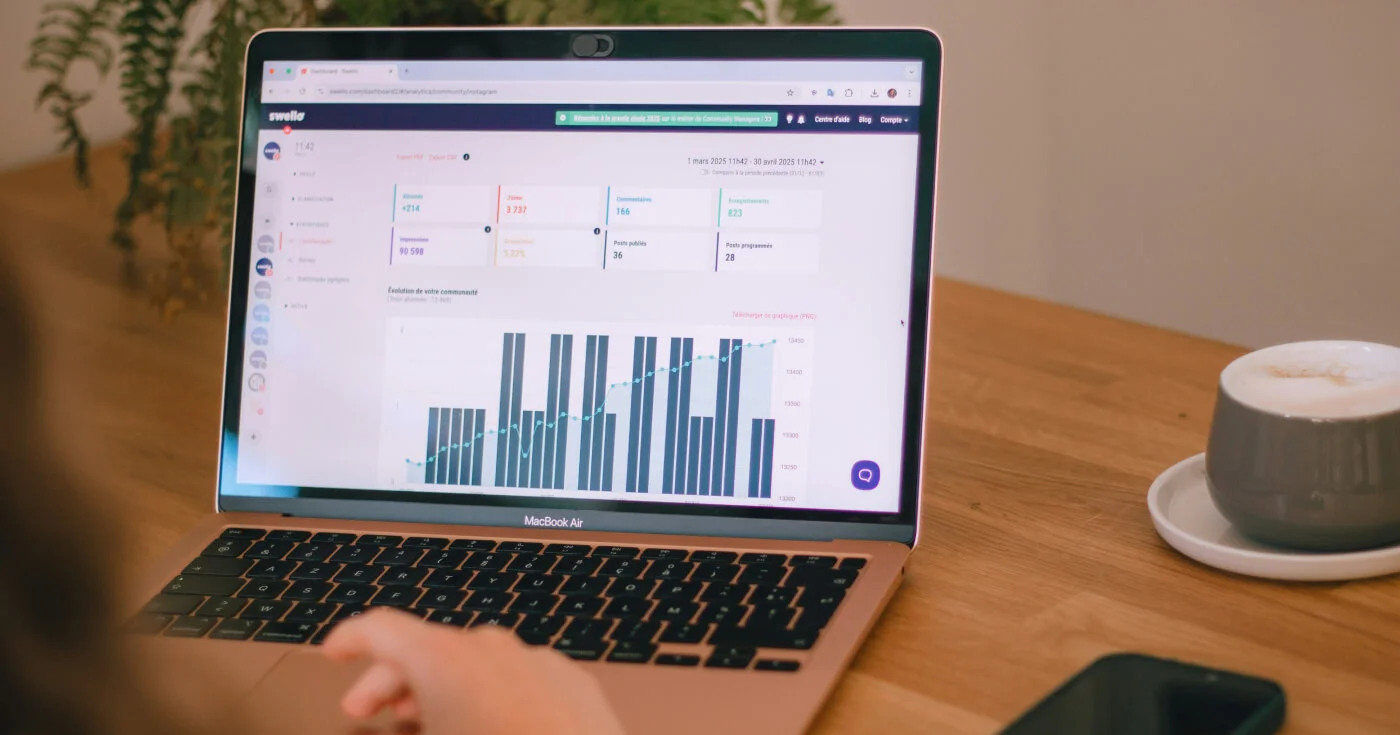
47 content marketing statistics for 2026, organized by ROI, AI adoption, SEO, formats, and B2B performance. Primary sources linked inline throughout.

67 B2B content marketing statistics on ROI, formats, AI, and budget. Data from 2,200+ marketers and 312 companies in 2026.
These 48 content marketing cost statistics break down monthly budgets, per-format production rates, hiring model pricing, AI's real impact, and ROI timelines fo
