

12 On-Page SEO Tools Practitioners Rely On in 2026
The 12 best on-page SEO tools in 2026, compared by category: technical auditing, content scoring, all-in-one platforms, and WordPress plugins.
Updated 22 min read


The 12 best on-page SEO tools in 2026, compared by category: technical auditing, content scoring, all-in-one platforms, and WordPress plugins.
Screaming Frog, Semrush, and Ahrefs anchor most professional SEO stacks, but no single platform leads across all four core capability areas: content scoring, technical auditing, schema validation, and internal link analysis. Most effective teams run two or three complementary tools. In 2026, a fifth evaluation layer has emerged: which tools track your brand's citations in ChatGPT, Perplexity, Gemini, and Google AI Overviews.
Ordered by practitioner community endorsement and breadth of use case, from technical bedrock tools to content optimizers and WordPress plugins.
Software | Best For | Key Features | Pricing | Free Plan | Platforms |
|---|---|---|---|---|---|
Technical crawl audits | 300+ SEO checks, JS rendering, MCP server, Lighthouse integration | Yes (500 URLs) | Windows, macOS, Linux | ||
Comprehensive auditing + AI visibility | On-Page Checker, Copilot AI, AI Visibility Toolkit, ContentShake AI | 10 searches/day (limited) | Web | ||
Backlinks + AI visibility | Site Audit, Brand Radar, AI Content Grader, Content Changes | AWT (own site only) | Web | ||
Real-time content scoring | Content Editor, Topical Map, Surfer AI, Google Docs integration | No | Web | ||
NLP content optimization | NLP term grading, content scoring, shareable reports | No | Web, Google Docs | ||
Organic performance monitoring | Search Analytics, URL Inspection, Core Web Vitals, Coverage report | Free | Yes (fully free) | Web | |
AI visibility + on-page | On-Page Checker, SE Visible AI tracker, Content Editor, MCP connector | 14-day trial | Web | ||
Beginners and small teams | Keyword Explorer, On-Page Grader, MozBar extension, Site Crawl | MozBar (free extension) | Web | ||
Experiment-backed on-page | Rank Engine™ (400+ experiments), Watchdog Reports, LLM Citation Analysis | No (7-day refund) | Web | ||
Content briefs + optimization | AI briefs, Content Editor, question research, GSC integration | 5-day trial | Web | ||
WordPress on-page SEO | Focus keyword scoring, Schema Generator, GSC integration, 404 monitor | Yes (full WordPress plugin) | WordPress | ||
SEO + GEO combined | GEO Score (all tiers), SEO Health Score, AI Overviews tracker | 14-day trial (no credit card) | Web, WordPress, Shopify |
12 best on-page SEO tools compared at a glance
Best for deep technical crawl audits on sites of any size
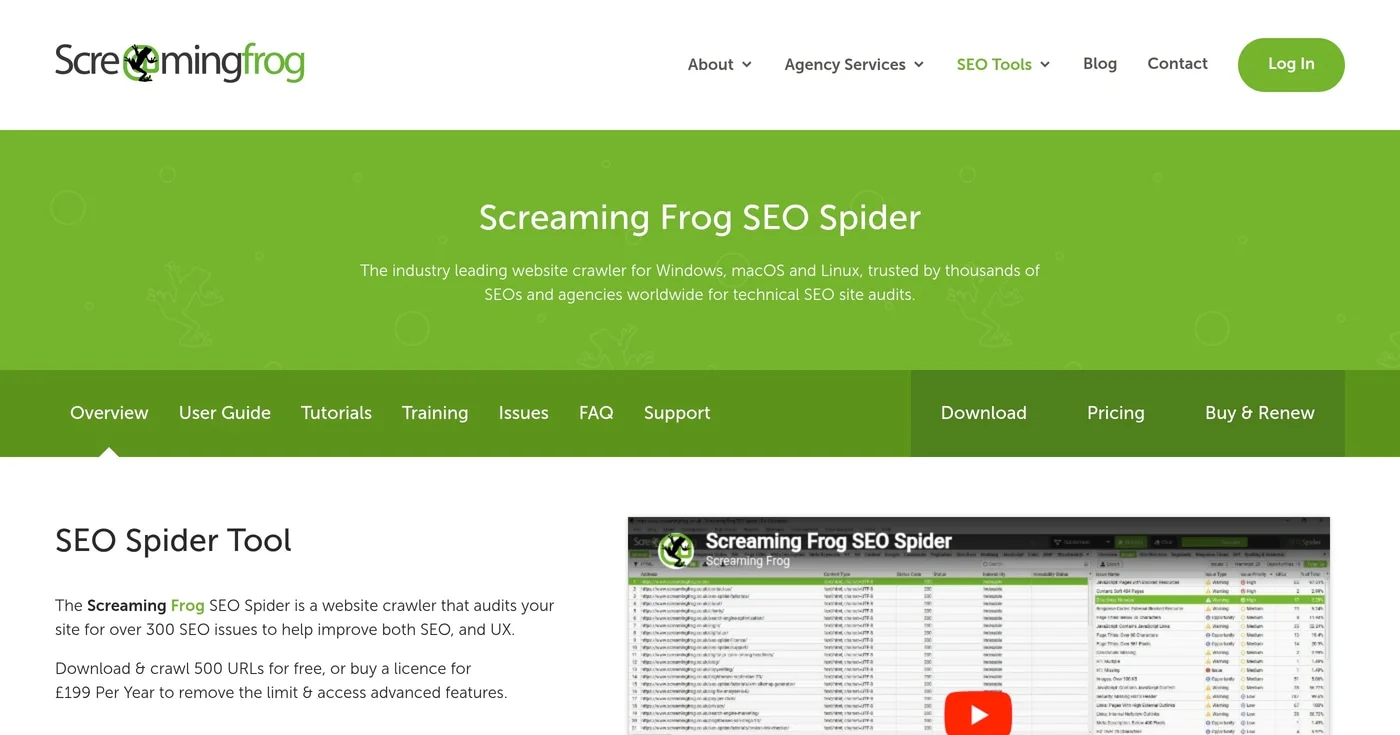
Screaming Frog SEO Spider is a desktop crawler for Windows, macOS, and Linux. The paid license costs £199/year (~$249/year) for unlimited URL crawls. It checks 300+ SEO issue types: broken links, redirect chains, missing meta tags, duplicate content, image alt text gaps, canonical mismatches, and hreflang errors.
The tool connects directly to Google Analytics 4, Google Search Console, PageSpeed Insights, and the Ahrefs API in a single crawl. You see which pages have zero impressions, zero backlinks, and poor engagement rates simultaneously. That four-signal diagnostic is the standard workflow for identifying the highest-impact fix opportunities on a site.
Version 24.0 (May 2026) added an MCP server, which lets Claude and ChatGPT query crawl data programmatically. JavaScript rendering has been standard since version 20, and Lighthouse Core Web Vitals audits run inside the same crawl session.
The community verdict is unusually strong. On r/SEO: "Screaming Frog has to be the best value SEO tool on the planet. It's worth the investment 10x."
The paid license covers one machine per user.
Best for comprehensive on-page analysis benchmarked against live SERP competitors
Feature breadth defines Semrush. Its On-Page SEO Checker analyzes target pages against the live top-10 results for your target keyword and generates strategy ideas, technical issue reports, semantic recommendations, backlink suggestions, and UX signals from GA4 data.
Copilot AI (included in all plans) monitors your sites and flags ranking drops automatically. The LLM Gap Analyzer (Apr 2026) identifies content elements that competing pages have but yours doesn't. In 2026, Semrush's most differentiated feature is the AI Visibility Toolkit: a $99/month add-on, or included in Semrush One at $199/month, that tracks your brand's citations across ChatGPT, Google AI Overviews, Perplexity, Gemini, and Claude.
The platform's size is also its main liability. Practitioners in r/SEO describe the interface as overwhelming for specific use cases. Veterans also note that Semrush traffic estimates frequently diverge from Google Search Console actuals, which limits the platform's value as a measurement tool (as opposed to a competitive intelligence tool).
Free tier: 10 searches/day, 10 results per report. 7-day trial with full access available.
Best for backlink intelligence and AI search visibility tracking
Ahrefs holds the largest backlink database in the SEO industry and is used by marketers at 44% of Fortune 500 companies, per Ahrefs' own data. Its Site Audit covers 170+ SEO issues and crawls up to 100,000 URLs/month on the Lite plan.
In April 2026, Ahrefs launched Brand Radar: a dedicated AI visibility tracker that monitors brand mentions in ChatGPT, Grok, Perplexity, Gemini, and Google AI across 75,000 analyzed brands. Their brand visibility analysis found YouTube mentions are the strongest AI visibility predictor, a finding that affects content distribution strategy beyond on-page optimization.
For on-page workflows, Ahrefs' AI Content Helper scores your draft against competitor pages on topic coverage rather than keyword density. Patrick Stox (@patrickstox) at Ahrefs highlighted the AI Content Helper on launch:
Now in @ahrefs, AI Content Helper. This actually scores your content (and competitor content) based on topic coverage instead of keywords. Check it out and let us know your feedback. Everyone has access while this is in beta. https://t.co/Oe0LcdVJbY
Content Changes tracks when competitor pages were edited and maps changes to traffic impact, adding a diagnostic layer to competitive research.
Ahrefs Webmaster Tools (AWT) gives free access to Site Audit for your own site, with no competitor data.
Free: Ahrefs Webmaster Tools - own site audit and keyword tracking only, no competitor data.
Best for real-time content scoring while you draft
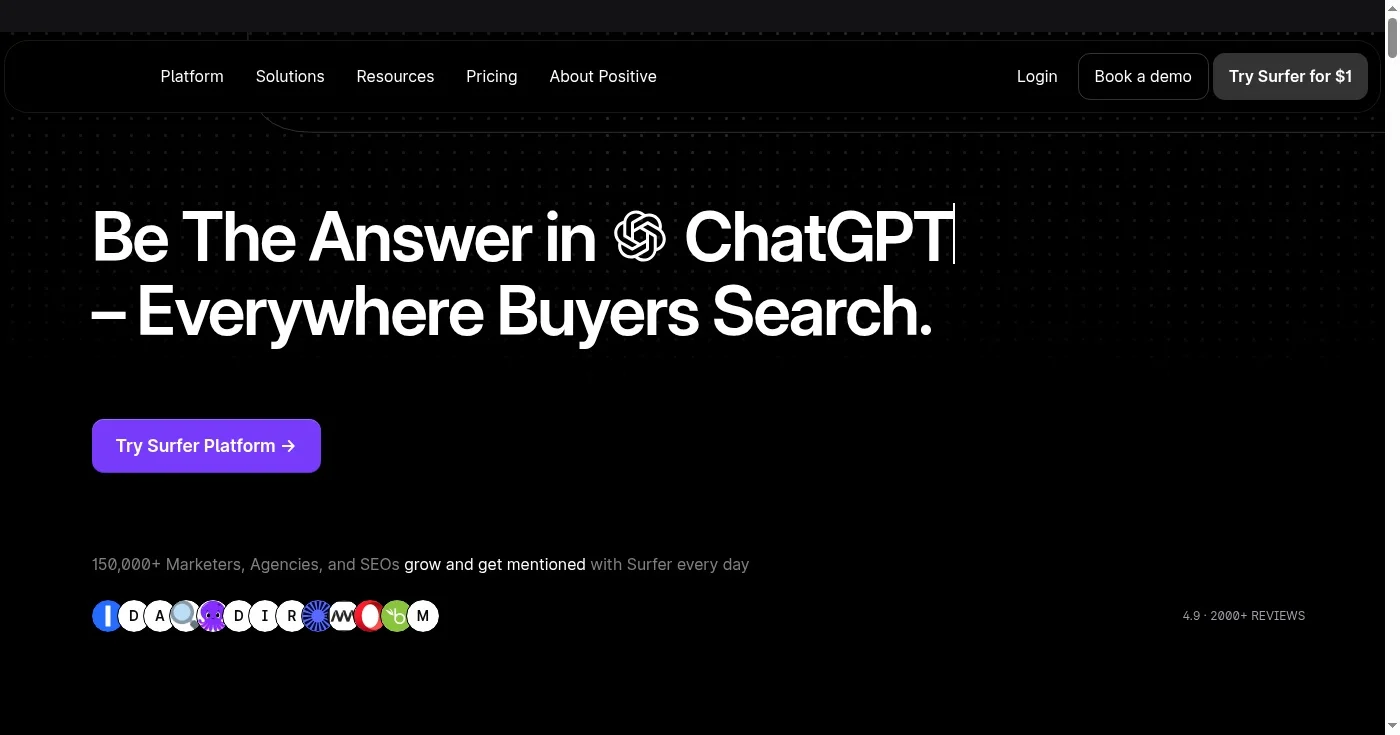
Surfer SEO built its reputation on the Content Editor: a real-time scoring interface that compares your draft against the top SERP competitors for your target keyword as you write. The score (0-100) reflects semantic term coverage based on NLP analysis, not raw keyword density.
The tool integrates with Google Docs and WordPress. Surfer AI generates full article drafts from briefs. The Pro plan adds 1-click Content Optimization, internal linking automation, and 50 AI prompt queries per day.
GEO tracking features launched in 2026, though practitioners treat them as early-stage.
Surfer draws the most polarized community feedback of any content optimizer. u/SanRobot in r/SEO called content scoring tools 'the SEO equivalent of AI detectors.'
ClickRank's 2025 analysis offered a more useful frame: 'A green score is not a ranking factor. It's a proxy.' Scoring tools catch structural gaps; they don't guarantee rankings.
Surfer's pricing jumped from under $30/month to $219/month for the full feature set over three years. That shift is driving measurable practitioner backlash and accelerating the move toward free alternatives.
No free tier.
Best for high-accuracy NLP content optimization at scale
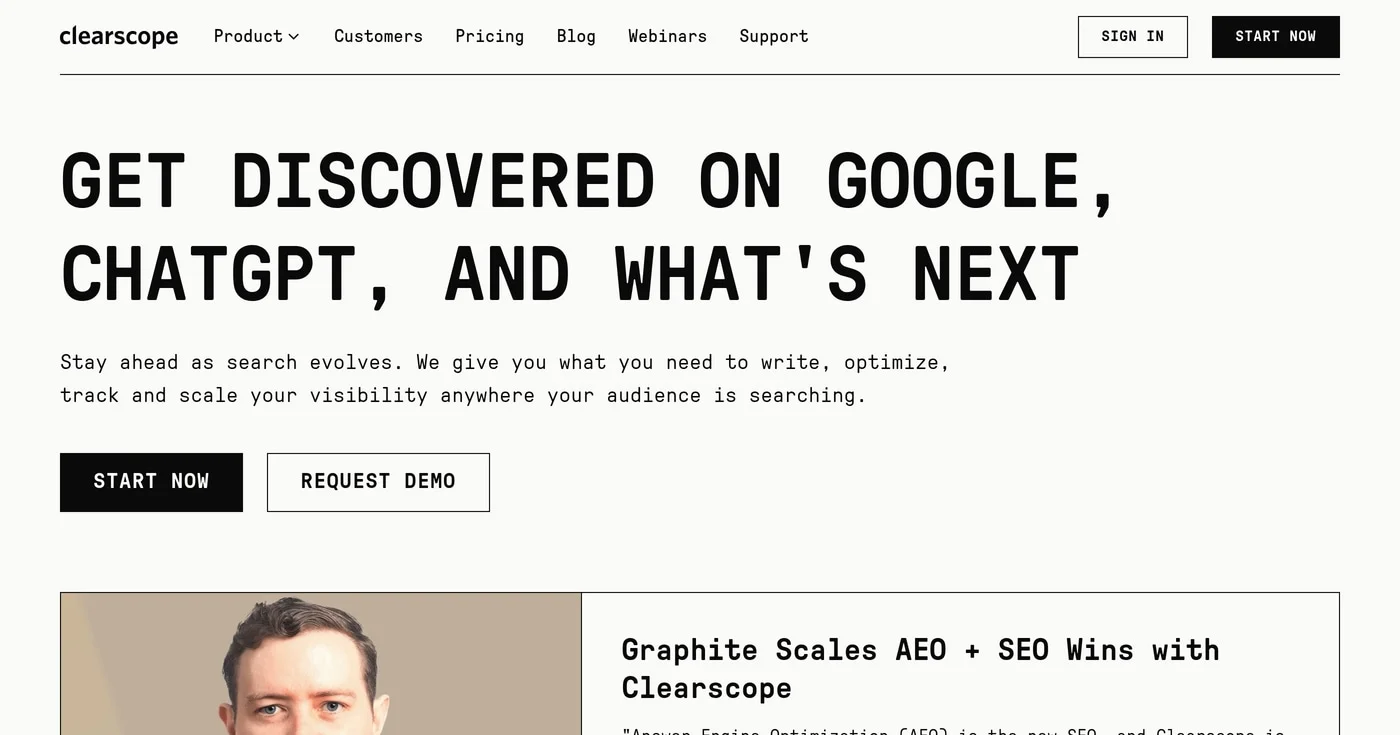
Clearscope consistently earns the highest G2 rating in the content optimization category: 4.9/5 across its reviewed user base. Its NLP term suggestions reflect what the top SERP results actually contain semantically. The interface is focused rather than feature-dense.
Where Surfer competes on feature breadth, Clearscope prioritizes optimization accuracy and team usability. It integrates with Google Docs and WordPress. Shareable reports let content teams send briefs to writers without requiring a Clearscope login.
The trade-off is price. At $129/month entry, Clearscope is more affordable than its $199 historical price, though it still costs significantly more than budget alternatives like Frase.
u/SerbianContent in r/SEO summarized the market position: "Clearscope is excellent but it's also very expensive, around $300/mo the last time I checked. If price was not an issue, I'd never use Surfer and simply go with Clearscope instead."
Clearscope pairs naturally with Ahrefs or Screaming Frog because it handles nothing outside content optimization - no keyword research, no backlink data, no technical crawl.
Best free on-page SEO tool for monitoring organic performance
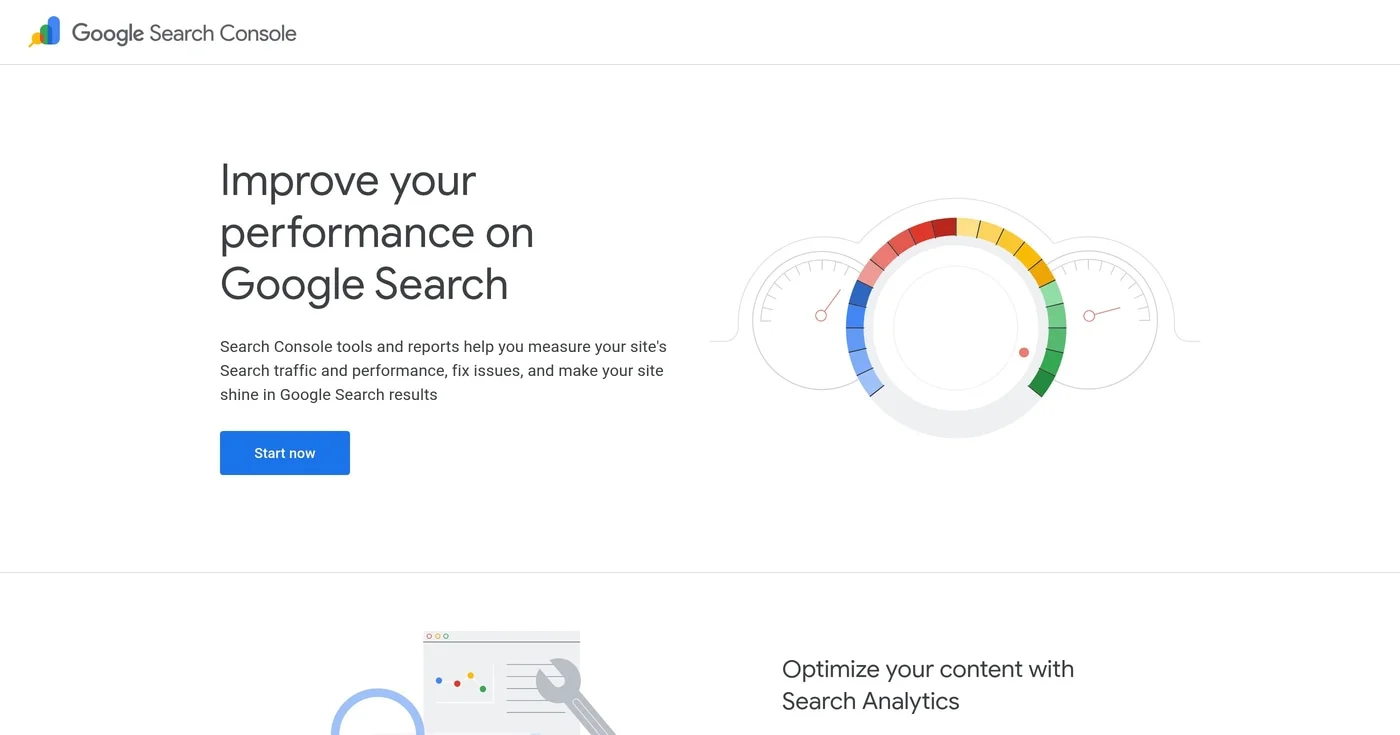
Google Search Console is the only SEO tool with direct Google data: actual impressions, clicks, average positions, and CTR from real search results. Every other tool on this list estimates traffic. GSC measures it.
For on-page optimization, Search Analytics is the core workflow. Filter by page to find which queries a URL ranks for, then identify near-miss queries (high impressions, low clicks) worth targeting with title or meta description updates. URL Inspection shows exactly how Googlebot renders any page, including which elements it sees after JavaScript execution.
Core Web Vitals data comes from real users in the field, not synthetic tests.
Multiple senior practitioners in r/SEO have returned to GSC as their primary tool. u/Objective_Date6661 wrote: "I've dumped SEMRush and AHREFS in favor of going vanilla. Google Search Console + Google Adwords Keyword planning." This pattern is accelerating as paid tools raise prices without proportional gains in measurement accuracy.
GSC's limitations are real: a 3-4 day data lag, no competitor data, and visibility only for queries where your site already appears.
Best mid-market platform for tracking AI search visibility
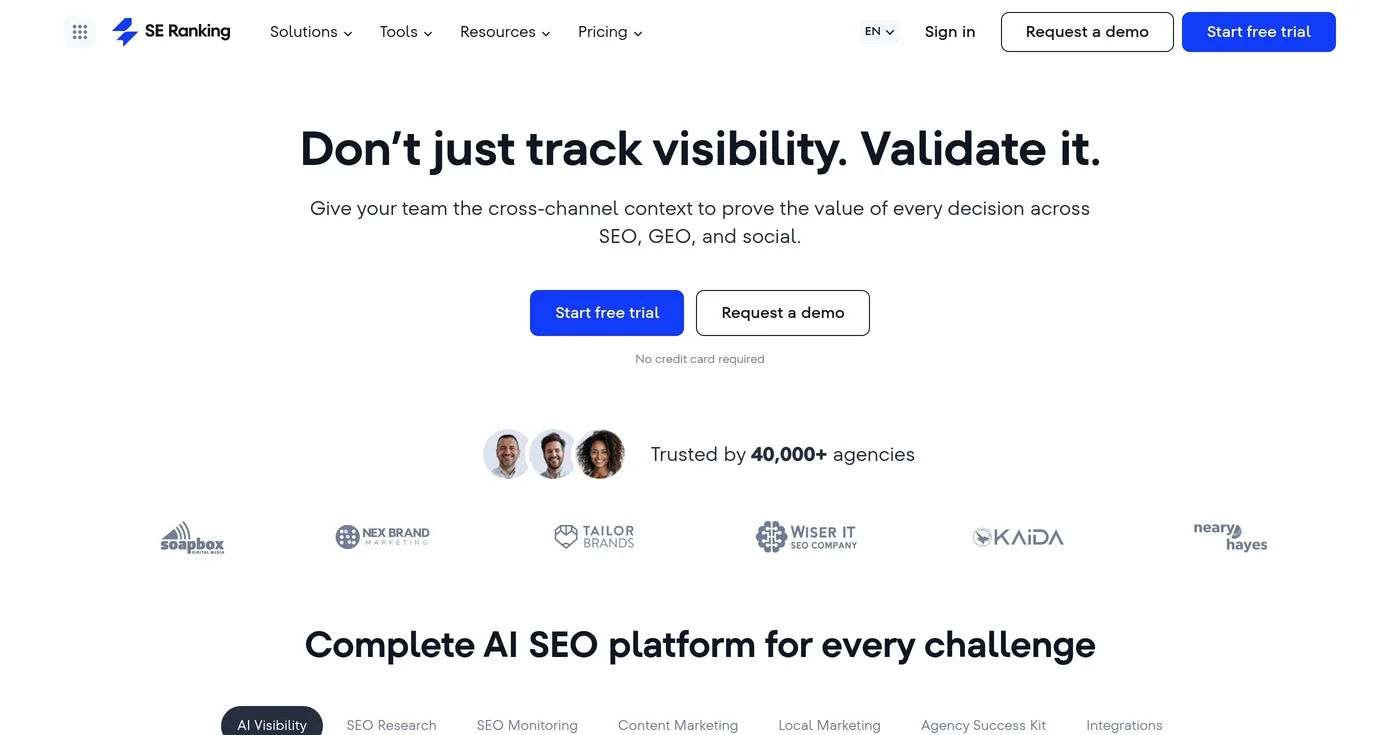
SE Ranking positions itself as the more affordable Semrush alternative for SMBs and growing agencies. Its On-Page Checker scores page optimization elements against live competitors for any target keyword. In 2026, SE Ranking's most differentiated feature is SE Visible: a dedicated AI search visibility tracker that came out of beta in 2026 and monitors citations in ChatGPT, Gemini, Perplexity, and Google AI Overviews.
SE Ranking's own research found AI search traffic follows seasonal patterns - peaking in October 2025, dipping over the holidays, and recovering in Q1 2026. That level of seasonal analysis is only possible with dedicated AI traffic measurement, not traditional SERP rank tracking.
The platform's MCP connector (2026) integrates with AI assistants directly. SE Ranking holds a 9.1/10 rating on TrustRadius, with criticism focused on slow page load times and features shifting to paid add-ons during 2025.
Add-ons: Agency Pack ($69+/month), AI Search visibility ($71.20+/month). 14-day free trial available.
Best on-page SEO platform for beginners and smaller teams
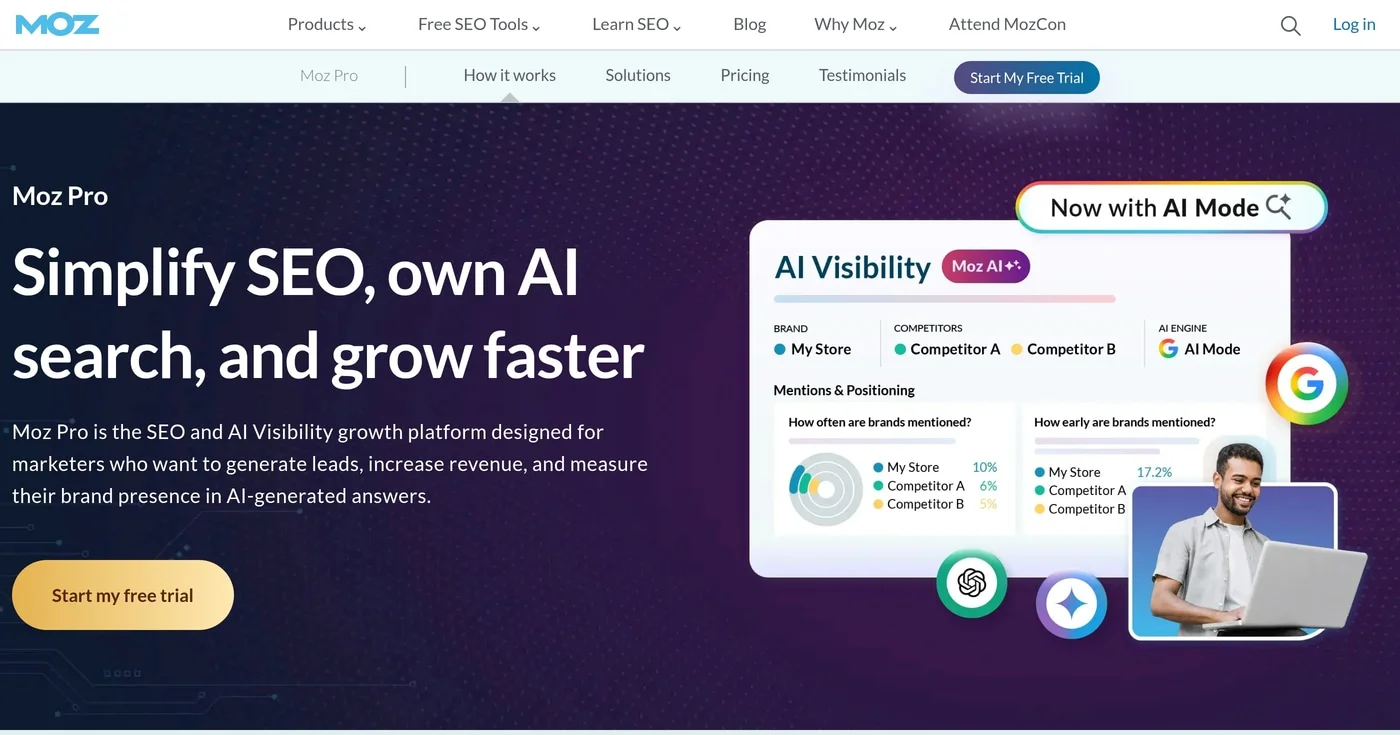
Founded in 2004, Moz Pro originated Domain Authority as an industry metric and remains the most affordable major all-in-one platform at $49/month entry. Its On-Page Grader grades any URL against a target keyword and generates specific recommendations on title, meta description, heading structure, and content coverage.
The MozBar Chrome extension is free and displays on-page metrics directly in the browser for any URL or SERP result. For marketing teams running quick checks while browsing competitor pages, it remains one of the most practical at-a-glance tools available at no cost.
Moz Pro's entry pricing at $49/month ($39/month annually on the Starter plan) is the most accessible among major all-in-one platforms. The honest picture on where Moz stands: AI Visibility Dashboards are available but limited to the Medium plan at $179/month, removing the key 2026 differentiator from the entry tiers. Users on Capterra describe it as 'hard to justify annual cost as an individual user,' and practitioners note that faster-iterating competitors have lapped Moz on features.
Free: MozBar Chrome extension, On-Page Grader (260 free checks/month).
Best for on-page optimization built on controlled SEO experiments
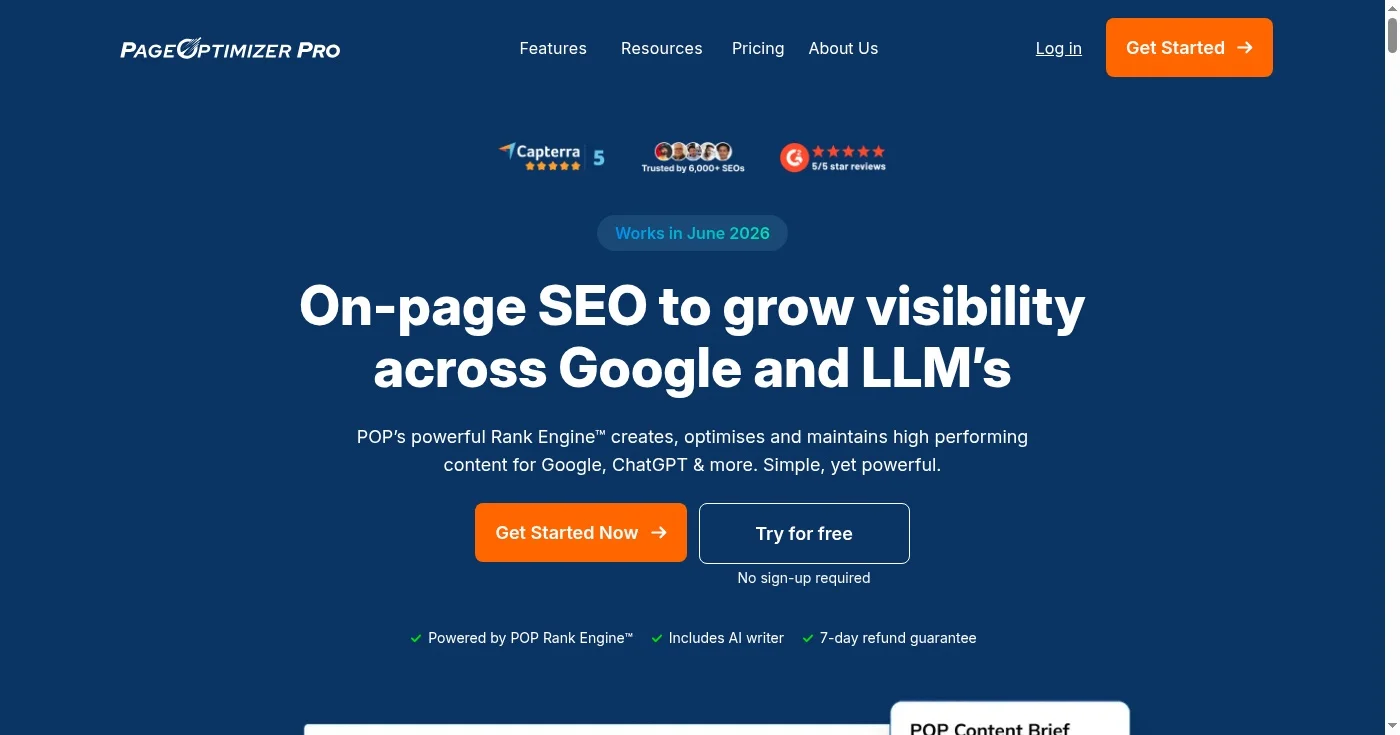
400+ controlled SEO experiments back every Page Optimizer Pro recommendation. The Rank Engine™ scoring system is trained on those test results, not SERP correlation assumptions, making it the only on-page tool built on split-test evidence rather than what high-ranking pages happen to share.
For 2026, POP added LLM Citation Analysis: a feature that identifies which language models are most likely to cite your content and what on-page changes increase that probability. Watchdog Reports monitor pages for on-page signal decay over time, alerting you when a page's optimization profile diverges from what Google currently rewards.
The tool surfaces consistently in Reddit threads as the recommended alternative for practitioners who want rigorous on-page guidance without the content scoring hype. It is narrower in scope than full platforms but more defensible in its methodology.
Best budget tool for content brief generation and SEO optimization
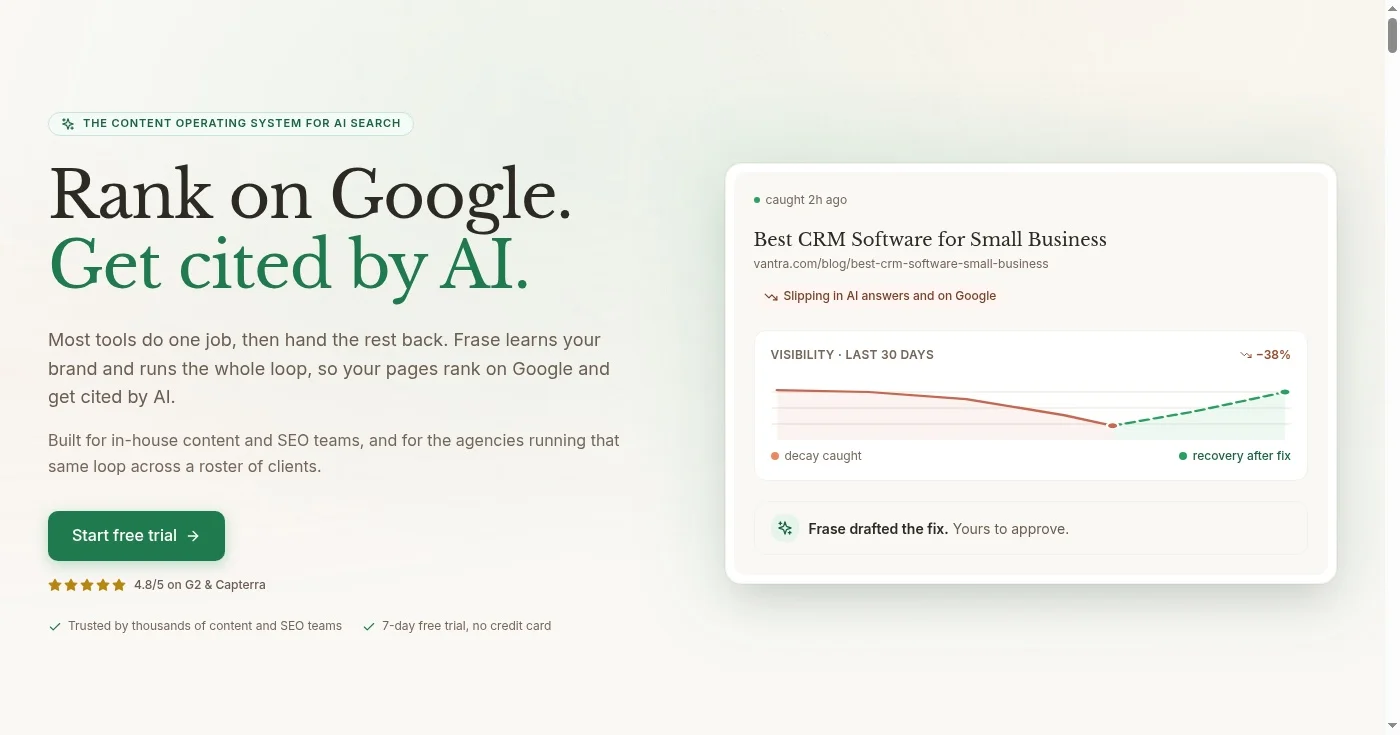
Frase covers the content brief and optimization workflow in one tool. Its brief builder analyzes the top SERP results for a keyword and generates a structured brief with recommended headers, questions to answer, and competitor content analysis. The Content Editor then scores your draft in real time against the same SERP data.
Question research is a distinctive feature: Frase surfaces the most common questions found in SERP results, People Also Ask boxes, and community forums for any topic. This feeds directly into FAQ sections and heading structures that address fan-out queries. GSC integration lets you surface near-miss queries inside the tool.
At $39/month, Frase is the most affordable dedicated content optimization tool with full brief generation capability. The community verdict is honest: u/SerbianContent in r/SEO summarized it as 'Frase was bad years ago and now it's slightly better.'
Frase ranks below Surfer and Clearscope on content quality. Its brief generation feature and price point fill a real gap.
5-day trial available.
Best free WordPress plugin for on-page SEO
Rank Math has the most feature-rich free tier of any WordPress SEO plugin. The free version includes a redirect manager, 404 error monitor, and advanced schema generator with 16+ schema types (Article, FAQ, HowTo, Product, and Recipe). The free version also includes GSC rank tracking integration, focus keyword optimization, automatic image alt text generation, and mobile versus desktop snippet preview.
Most competing free plugins charge for even half of these.
For WordPress professionals, the GSC integration inside WordPress admin is the standout feature. Rank Math pulls ranking data from Search Console directly into the WordPress dashboard, eliminating a separate rank tracking subscription for sites in your own portfolio.
On r/SEO, Rank Math is consistently recommended over Yoast for feature density at every tier. One caveat applies: Rank Math's Content AI module is a paid add-on that multiple community sources recommend skipping. The free keyword optimization features deliver more practical value per dollar.
Best combined SEO and GEO platform for small-to-mid businesses
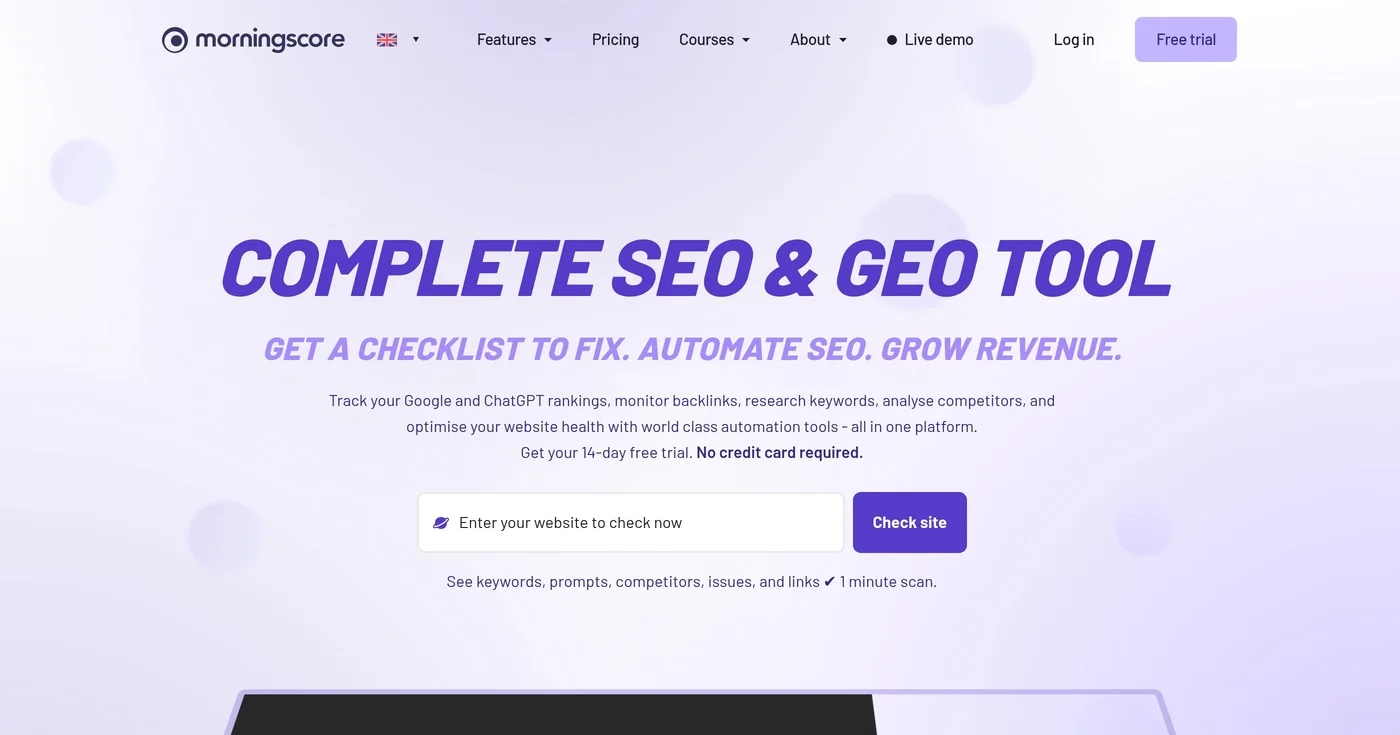
Danish SEO platform Morningscore includes GEO Score (AI search visibility tracking in Google AI Overviews and AI prompts) at every pricing tier, without a separate add-on fee. Where Semrush charges $99/month extra for AI visibility and Ahrefs includes Brand Radar in paid plans, Morningscore gives you GEO tracking at $69/month with no upgrade required.
The platform includes daily rank tracking, keyword research, competitor analysis, and an SEO Health Score alongside the GEO Score. The gamified UX ("level up" for completing SEO tasks) is non-standard but improves completion rates for teams new to systematic SEO workflows. Human chat support offering actual SEO advice is unusual at this price point.
SE Ranking's analysis confirms AI search traffic follows seasonal patterns: peaking in October 2025, dipping over the holidays, and recovering in Q1 2026. That level of seasonal analysis is only possible with dedicated AI traffic measurement, not traditional SERP rank tracking.
Morningscore's decision to include GEO Score at every tier rather than gating it positions the platform as the most accessible entry into AI visibility tracking for smaller teams. Agencies managing large portfolios or needing deep backlink data will hit the platform's limits quickly.
14-day free trial, no credit card required.
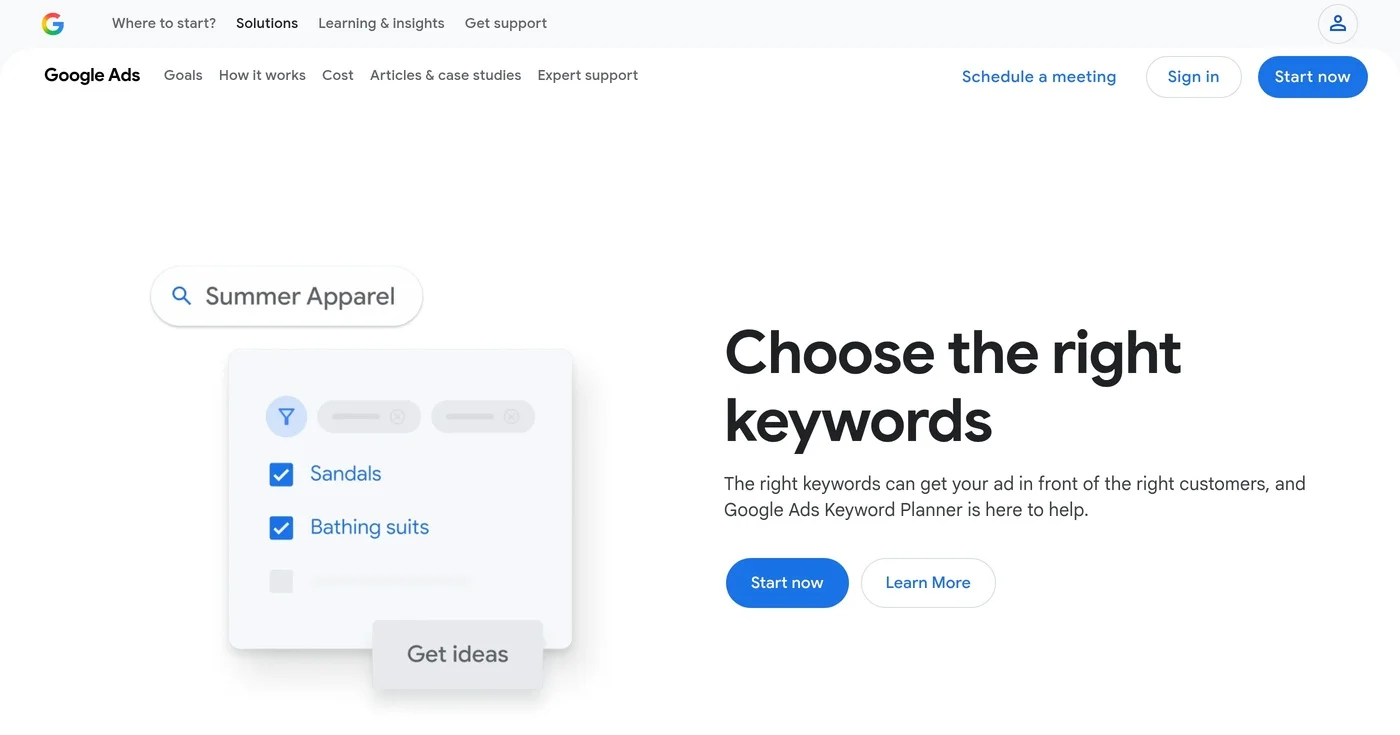
Open Google Keyword Planner without treating setup as running ads, then read volume, competition, and the two bid columns for what those numbers are not.
ZoomInfo alternatives have no public platform list price. Apollo publishes a seat price, Cognism covers EU phones, and Lusha starts at $49.90 a month.

HubSpot's pricing jumps from $0 to $890/month with no mid-tier. These 10 HubSpot alternatives are segmented by sales CRM, email automation, and agency use case
